Planning on leaving your home for a long period of time? There’s something you should know: Insurance requirements for homes that are vacant or unoccupied are different than those for homes that are occupied.
For this reason, if you plan on being away from your home for more than 30 days or if you own a vacant property or seasonal home that’s only used part of the year, you’ll want to learn about these requirements to avoid gaps in your home insurance coverage.
Unoccupied and Vacant Homes
Unoccupied or vacant homes are usually this way because of one of the following reasons:
- You’ve purchased a new home but can’t move in yet.
- You are carrying out renovations to your home and won’t be able to live there for a long period of time during the process.
- You own a second home that will soon be rented out or sold, but you haven’t yet found tenants or buyers.
- You’re away on business for a long period of time.
- You’re on an extended vacation.
- You need to undergo long-term medical treatment, which takes you away from your home.
Of course, there are other reasons a home may go unoccupied, but the above list offers some of the most common scenarios.
Unoccupied homes are actually different than vacant homes. These two terms also refer to something different than seasonal (vacation) homes, but we’ll get to that later.
For now, it’s important to understand the definitions of unoccupied and vacant homes:
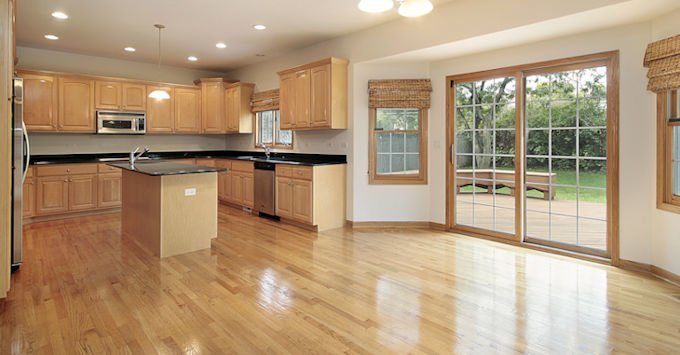
Unoccupied Homes: These are homes where no one lives. However, someone could move in ostensibly at any time. Utilities are on and ready to go. Furniture is inside (enough for “normal living”).
Vacant Homes: These are homes where no one lives, and no one could live. Utilities are off, and there is no furniture inside (not enough for “normal living”).
Insurance companies have trouble insuring these homes for obvious reasons: When no one lives in a house, the chances of something bad happening rise. A burst pipe or hole in the roof could go unnoticed for months, which would inevitably cause severe, compounded damage.
Furthermore, vacant homes often end up with broken glass, something that insurance usually doesn’t cover. Insurance usually doesn’t cover vandalism either, yet another common problem with vacant homes and sometimes, with unoccupied homes.
What Needs to Be Done to Insure a Vacant or Unoccupied Home?
If you own a completely vacant home, the truth is you may have trouble getting it insured. Again, insurance companies will be taking a big risk insuring these properties. Still, some companies may provide coverage plans for set periods of time. For example, if you own a vacant home that you plan on working on a year from now, you may be able to find a policy for just one year. Expect to pay higher premiums with these policies.
A rider from your insurance company can often cover unoccupied homes, but you’ll need to speak with your agent beforehand. The first thing to figure out is how long you can leave your home vacant before you need to get a rider or figure out a coverage alternative. Most companies set the limit at 30 or 60 days.
Finally, if you have a seasonal home, find out if your primary residence policy covers it. If it is, there’s nothing you need to do. If not, get a separate policy to cover this property.
Have questions? Navigating home insurance can be difficult, but Mid-Rivers Insurance can help. Speak directly with one of our reputable agents today by giving us a call or stopping by our office.